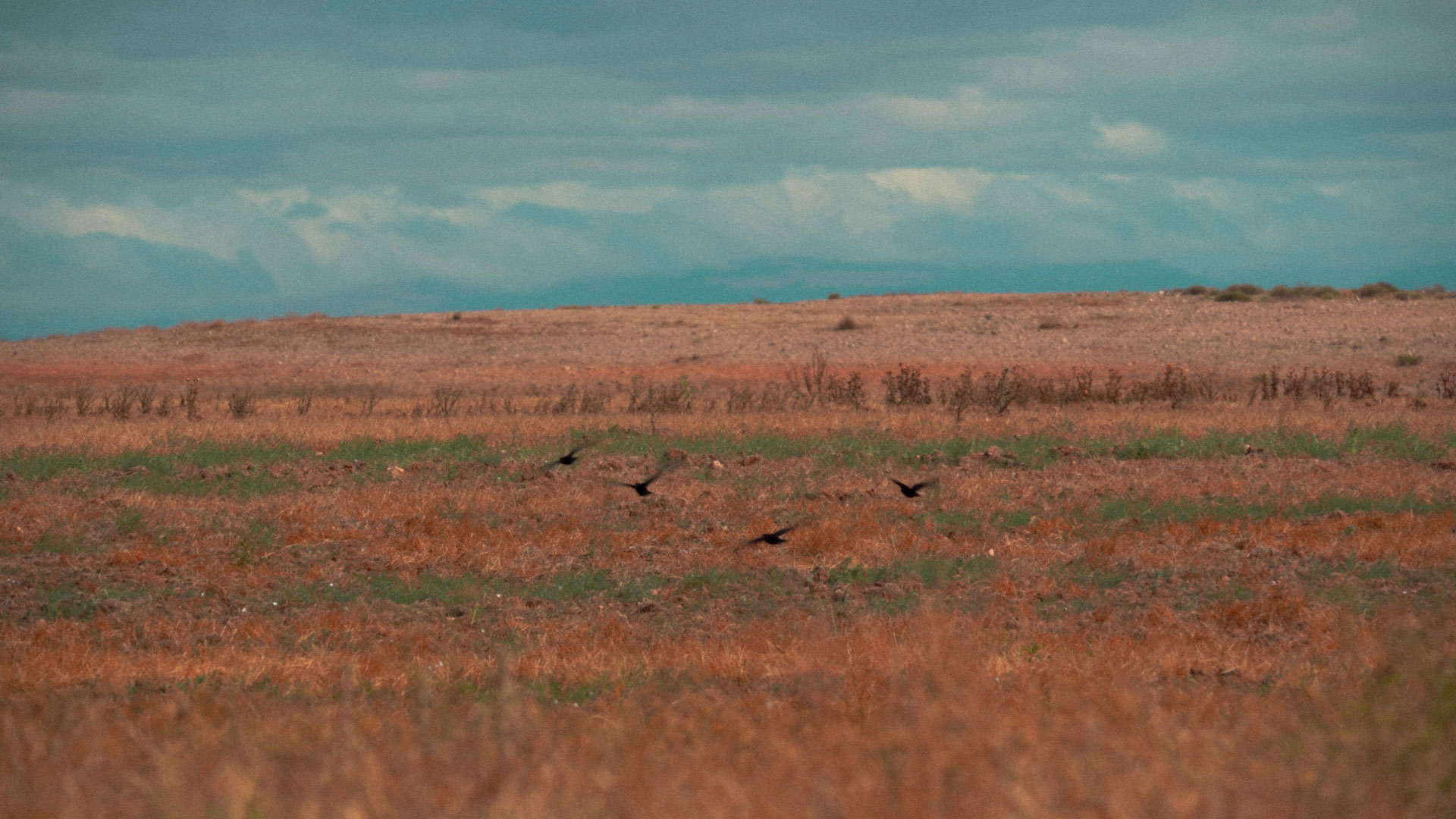
This route of just under 6 km allows us to get to know a little more closely one of the few areas in the region where it is still possible to walk through these steppe terrains, lands shaped by the hand of man for centuries and that have here a small redoubt in which modernization and change in crops have not fully arrived, allowing us to enjoy an area that, apparently inanimate, still hides a wide ornithological diversity in clear decline, such as steppe birds. The route starts and ends at the car park that we find in the proximity of a warehouse next to the farm through which we will pass. Once we have parked the car we will visit one of the most characteristic farms in the área. On this farm we can see a combination of crops such as cereal and vineyards mixed with uncultivated or fallow areas, as well as a small depression in the land where the presence of a few trees and various bushes indicate that the presence of water is higher. This heterogeneity of environments in such a specific area encourages a wide variety of birds to use this area either as a refuge area or as a feeding place. As the farm has a triangular shape, we can choose the direction in which we want to go around it to return to the straight line that will take us back to the car park.


Technical Data
Although the steppe habitats are one of the least appreciated areas, even being ignored from an environmental point of view, they are home to numerous unique and threatened species of spanish avifauna such as little bustards, sandgrouse or bustards. A less sustainable management of agriculture, the indiscriminate use of chemical products, as well as an unparalleled development of projects aimed at the installation of infrastructures for the production of renewable energies, are transforming hundreds of steppe hectares and seriously endangering this valuable ecosystem. In Alfaro we are still able to find some small redoubts of this unique habitat of open land and treeless areas.
- Distance
5,7 km
- Duration
2h
- Type
Mixed (Lineal+Circular)
- Difficulty
Low
- Time of the year
All
- Entrance
Parking
- Final
Parking
- Signaling
No
It is recommended to wear comfortable clothing appropriate to the weather and terrain conditions. Park your vehicle in the car park enabled for it. The itinerary takes place within a protected area. Please be especially respectful.
Description
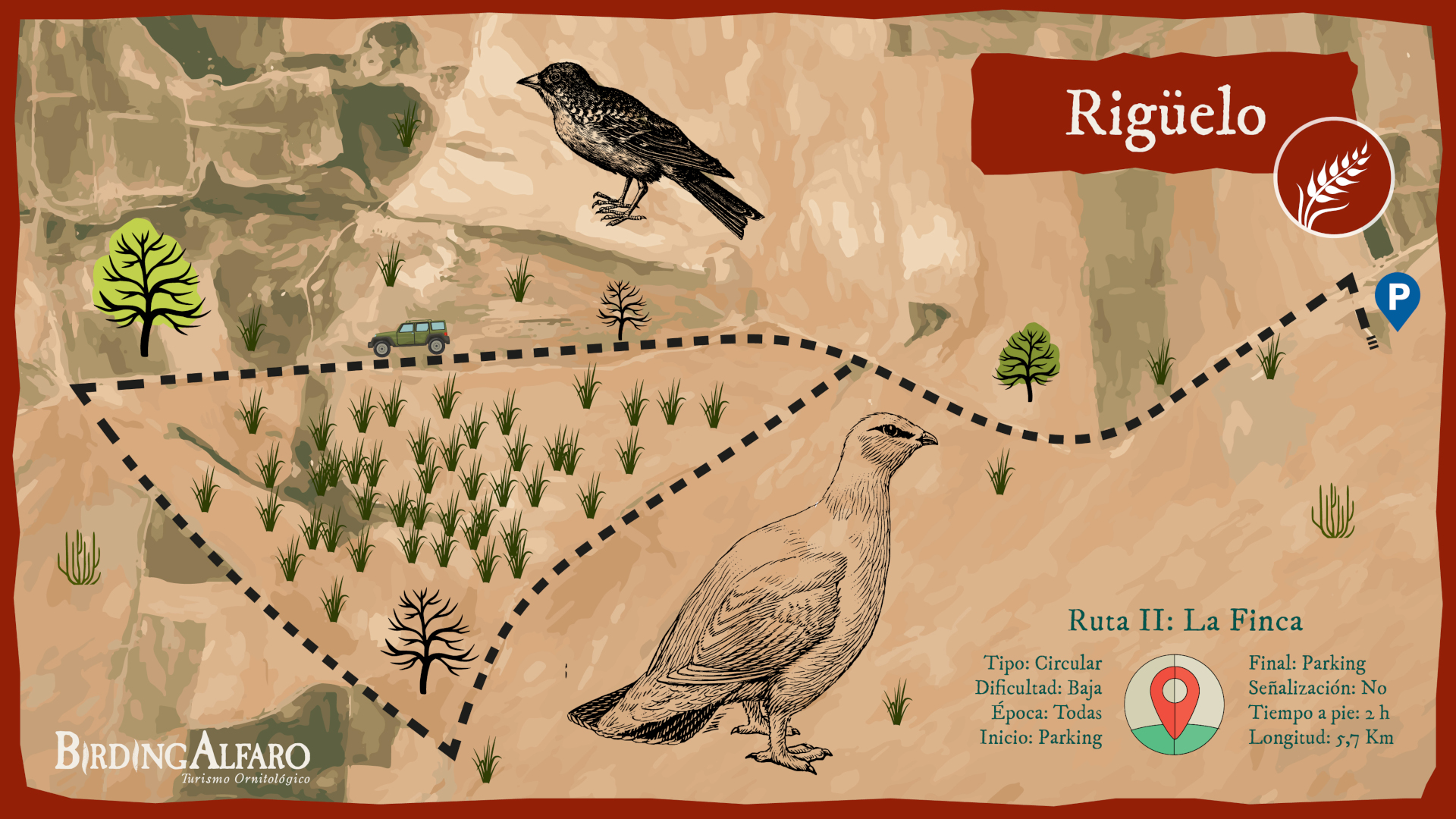
There are times of the year that depending on the state of the roads, it is possible to make the journey by car
Estepas de Rihuelo
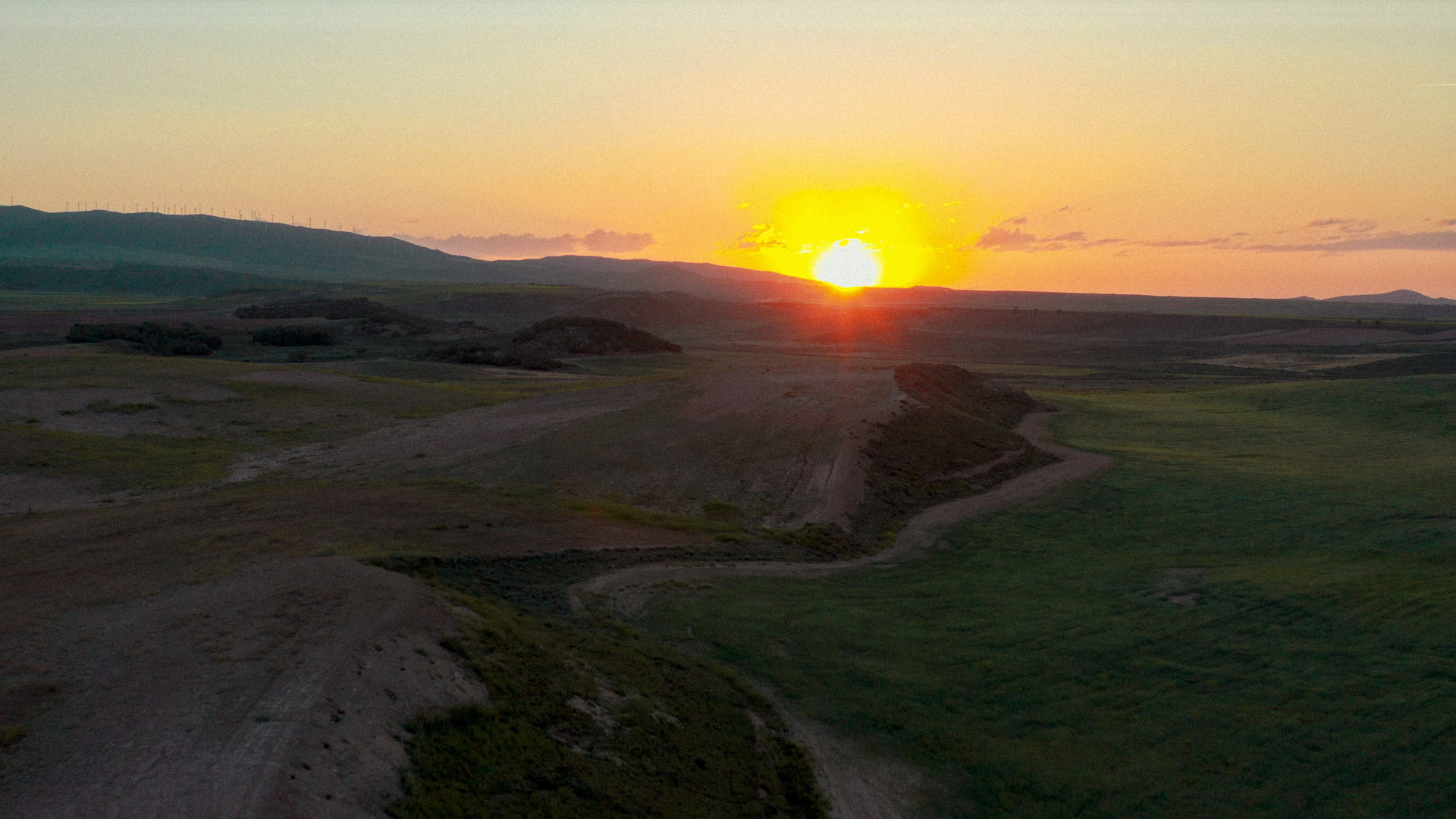
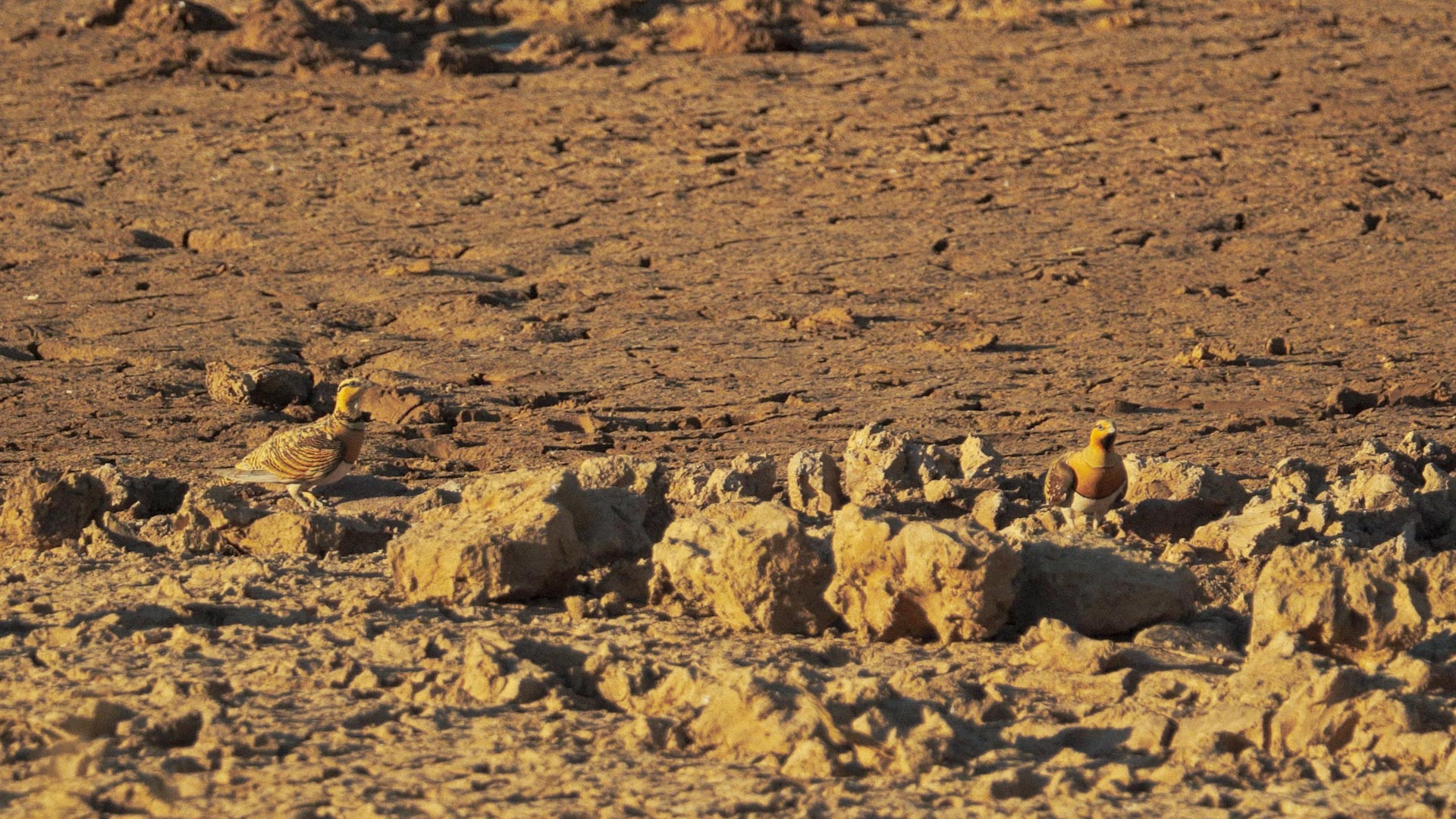
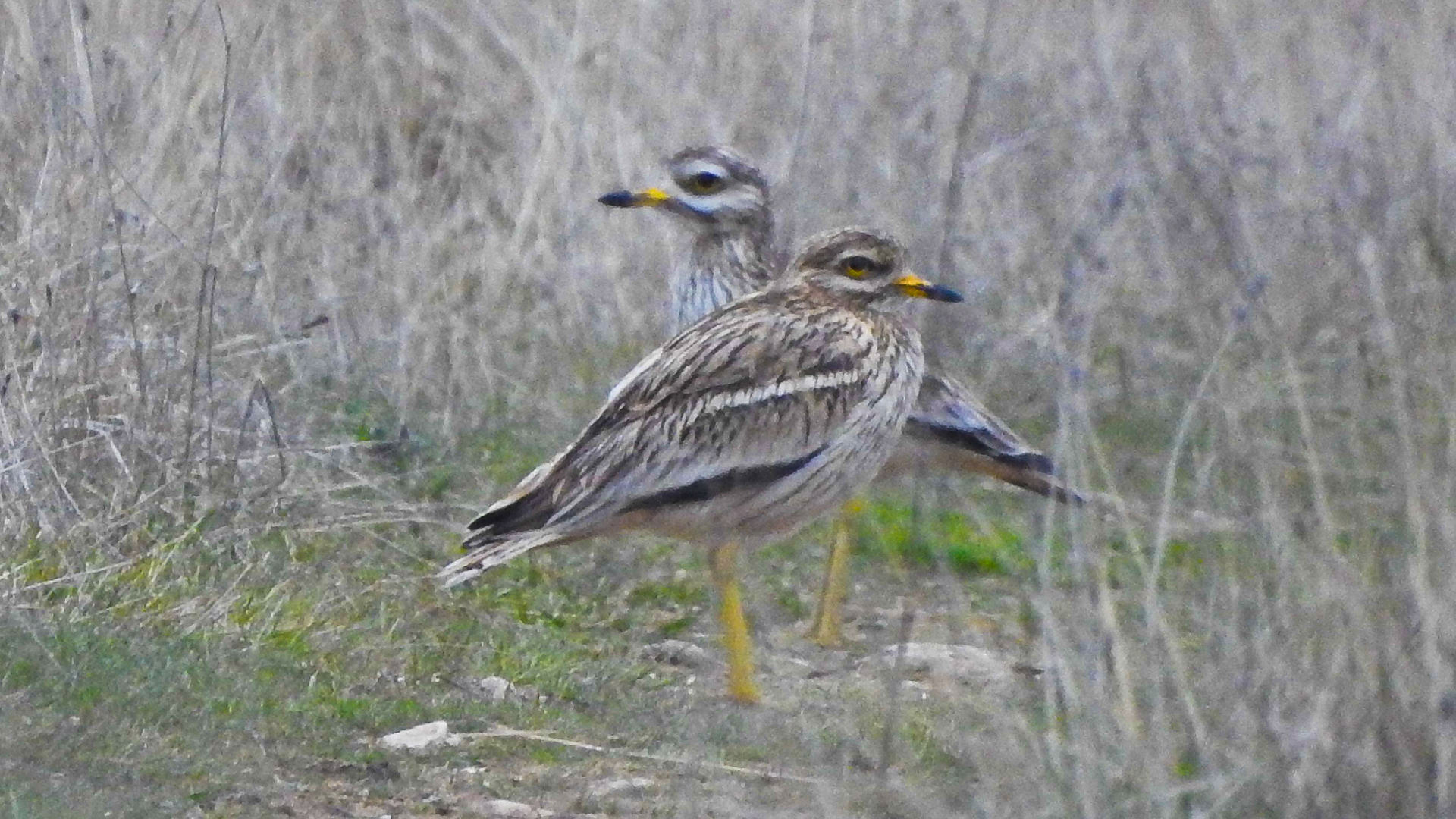
Rihuelo is the area that best represents the survival of the Rioja steppes, here we find hills with low scrub and saline soils interspersed with vineyards and crops. This place is the last redoubt in the region of various species of steppe birds such as stone curlews, shy sandgrouse or the endangered and scarce little bustard.
Birdwatching
| No observations have been recorded in the last 15 days. |
| Data obtained from the eBird platform | |||
|---|---|---|---|
| No observations have been recorded in the last 15 days. |
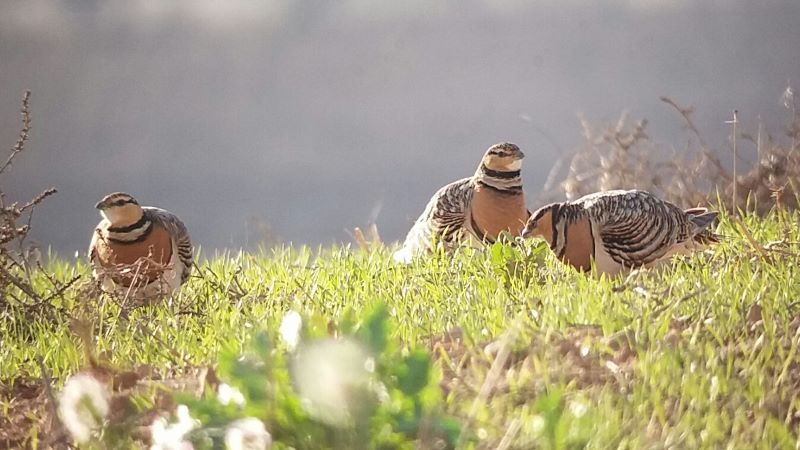
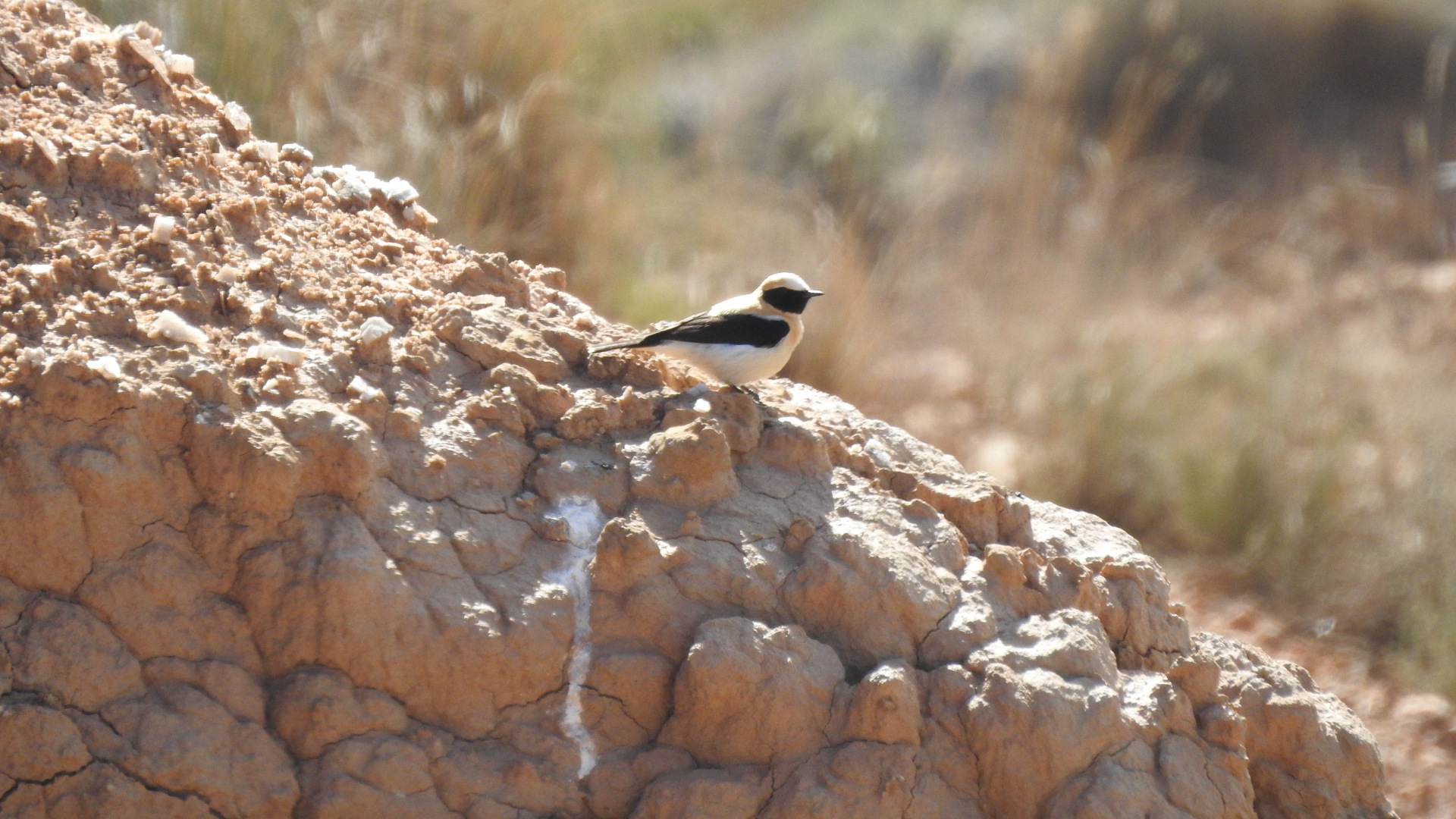
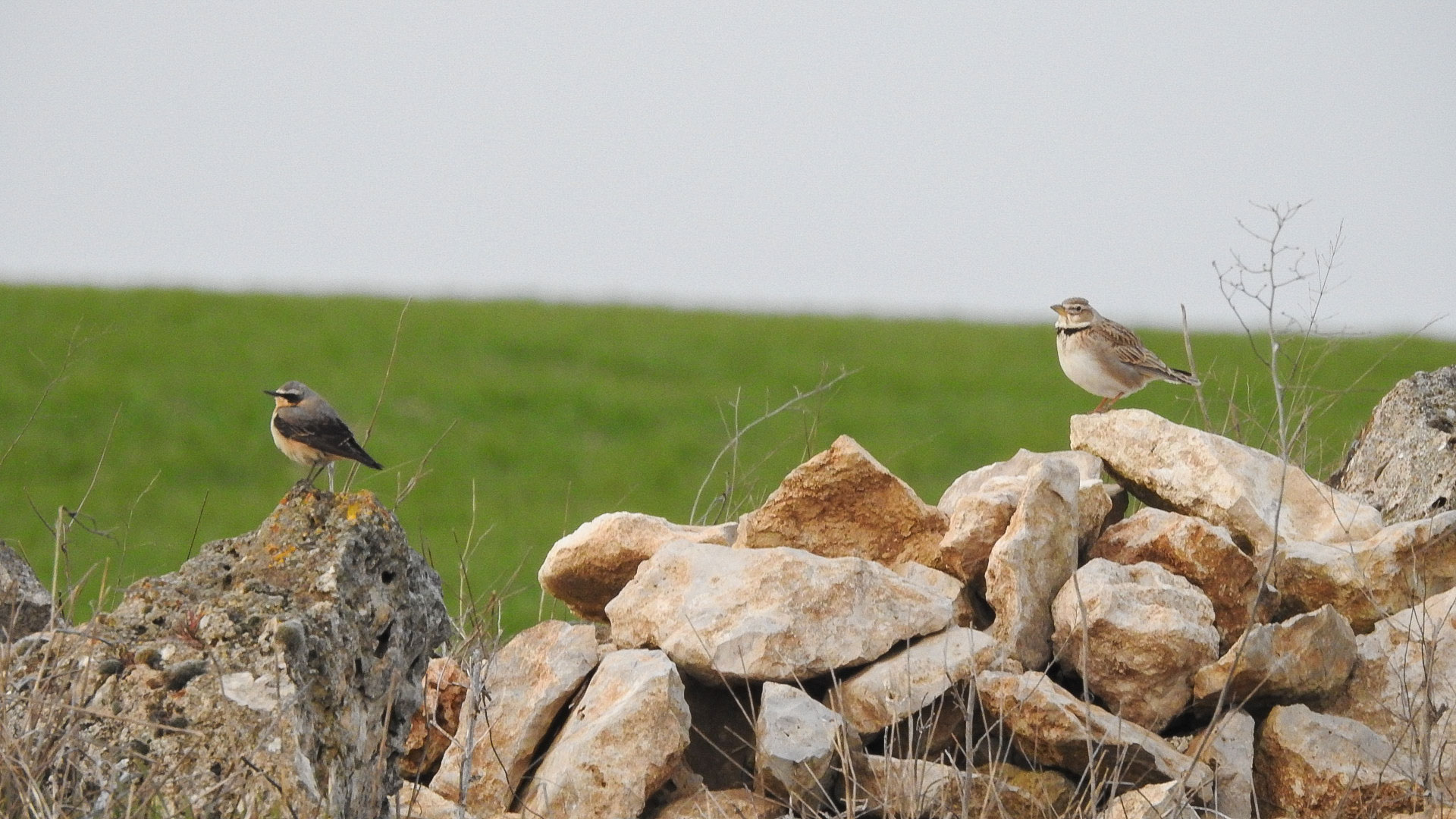
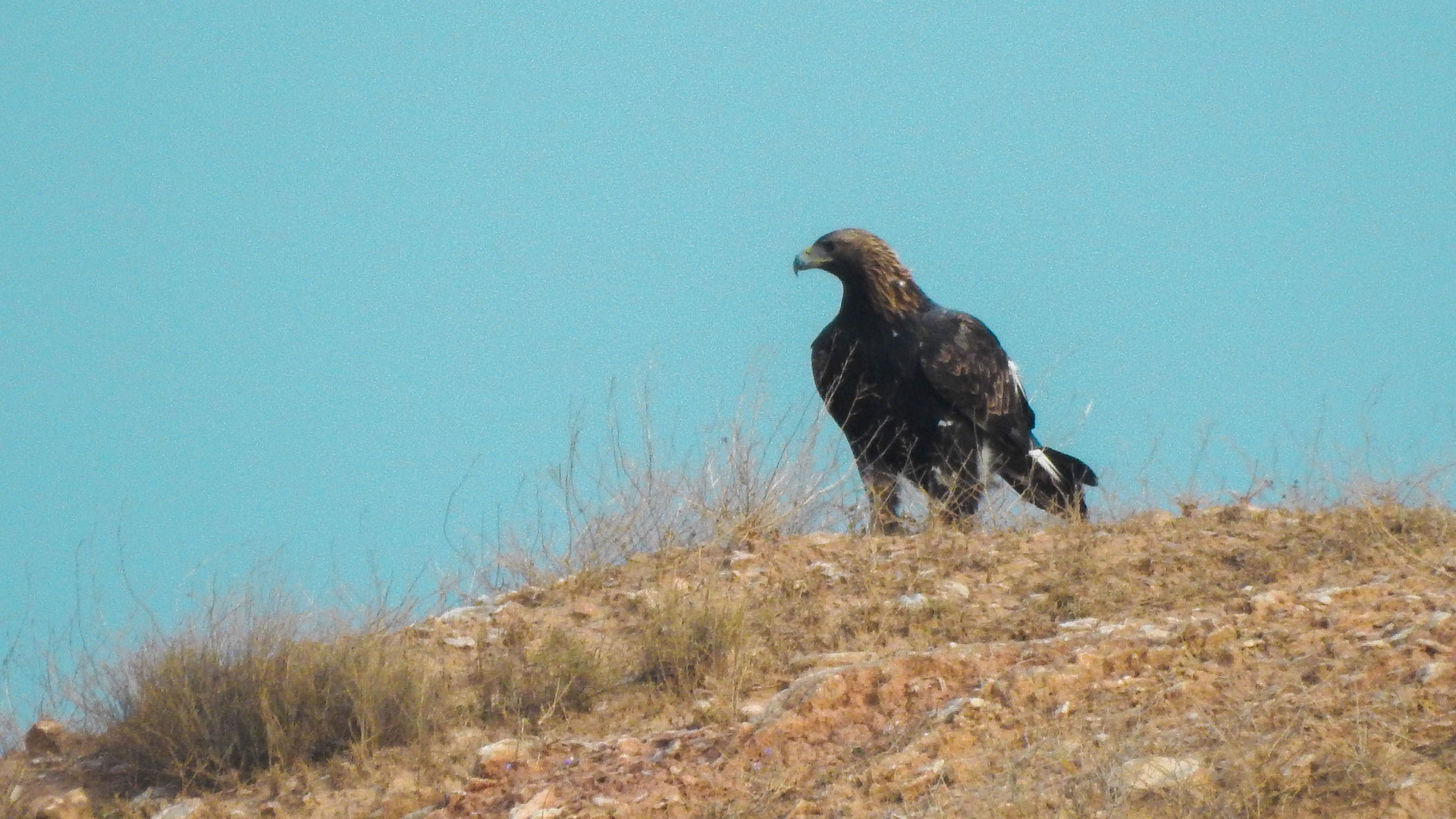
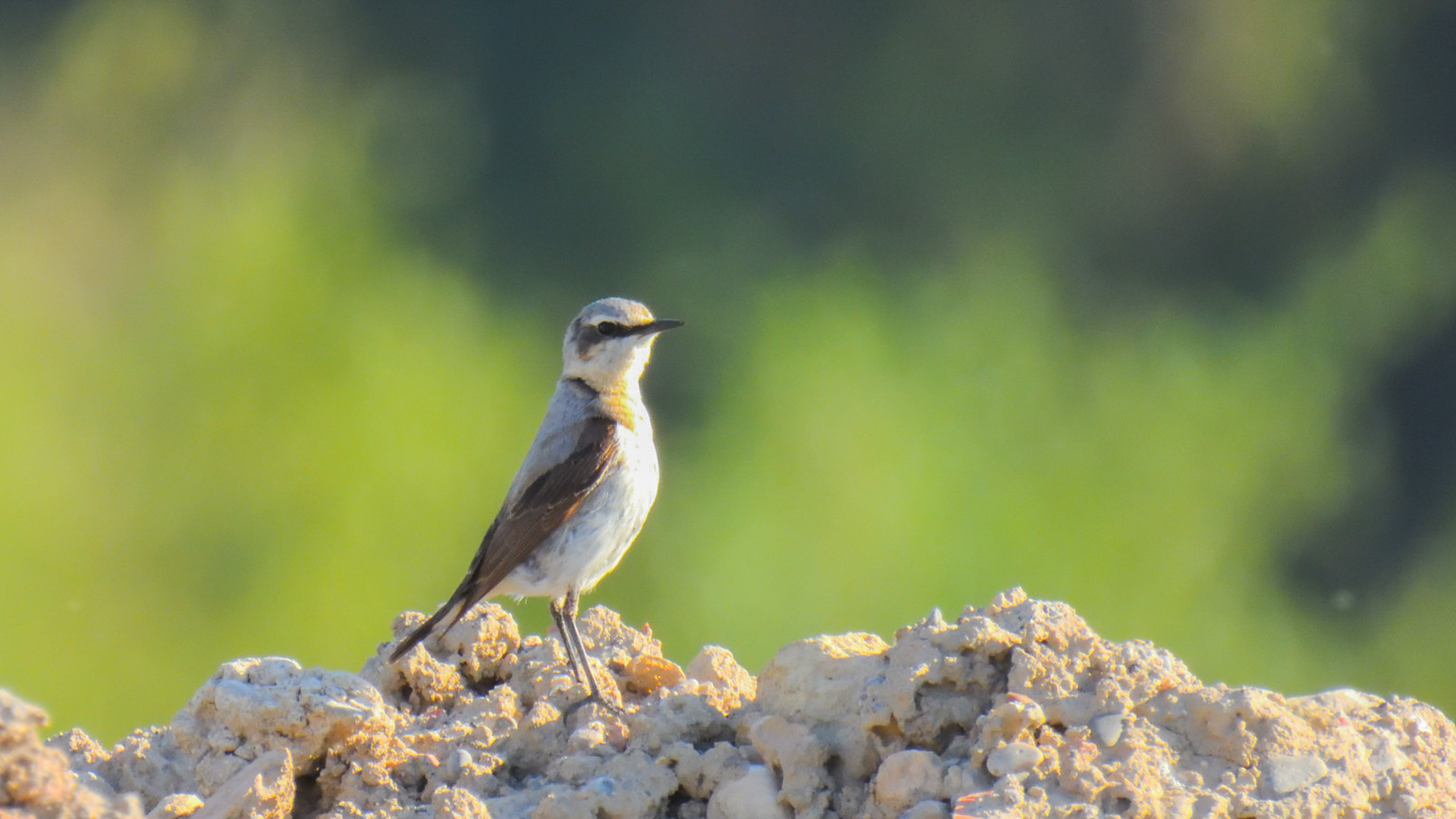
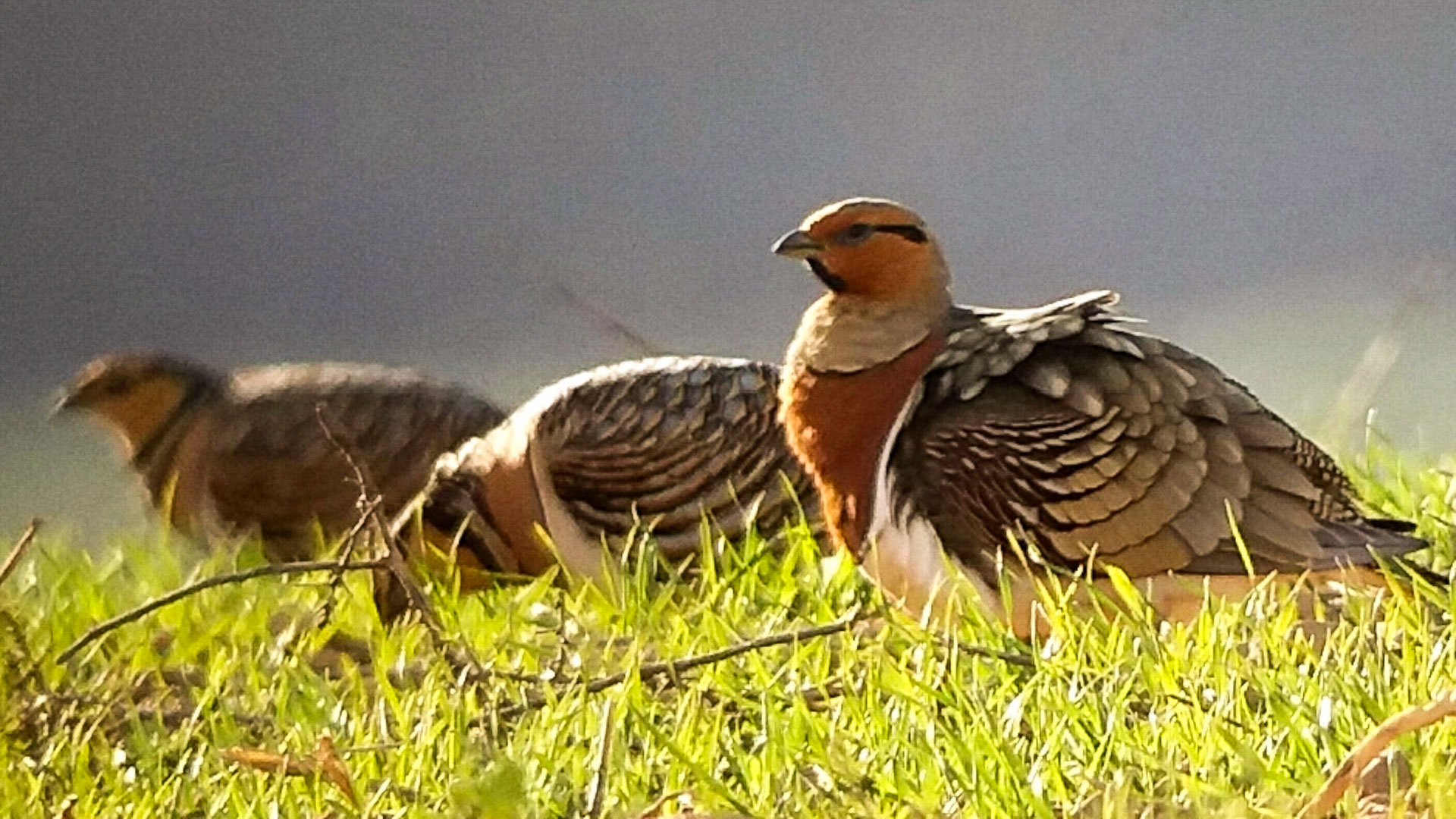
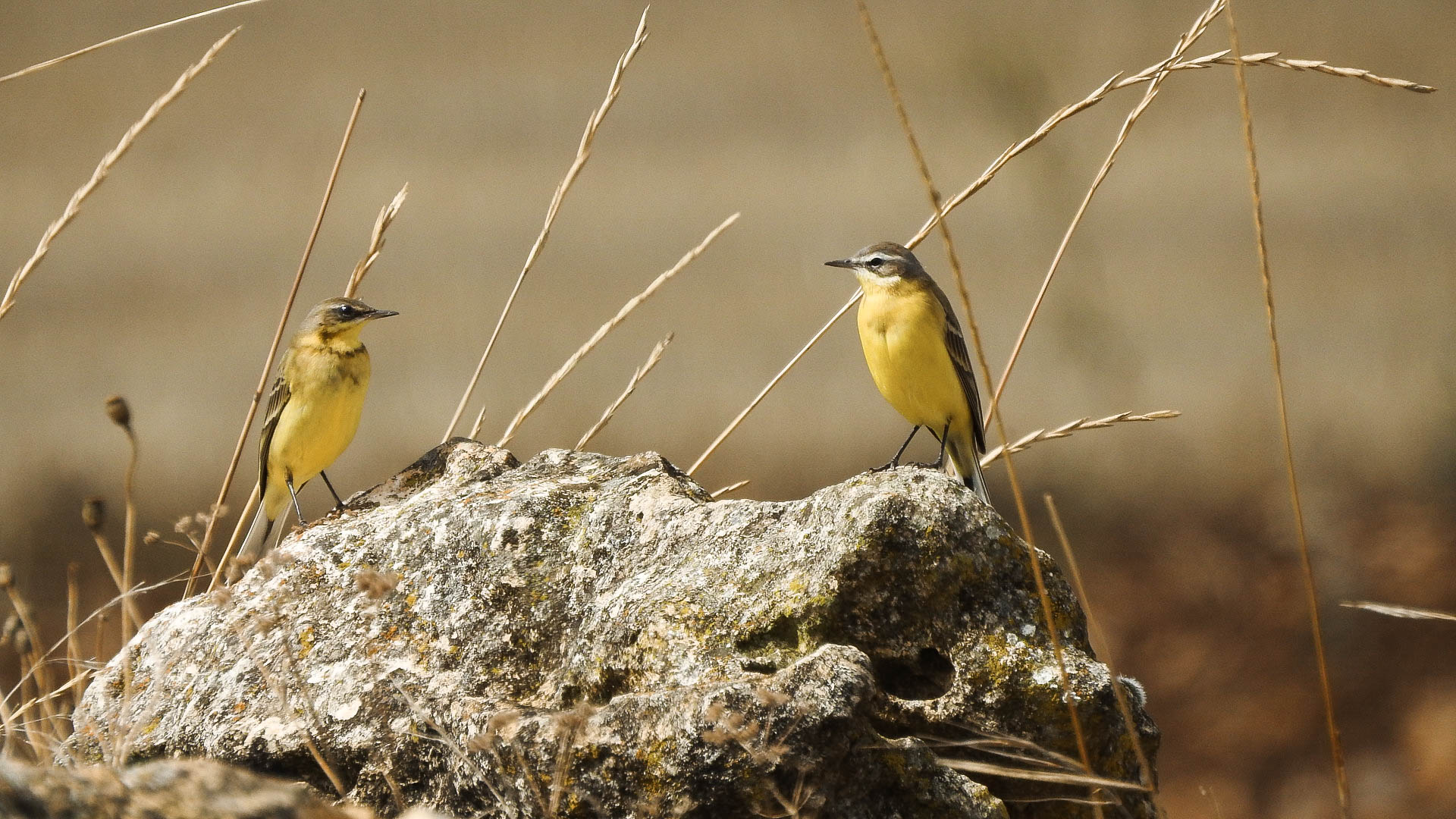
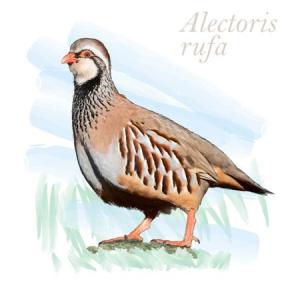
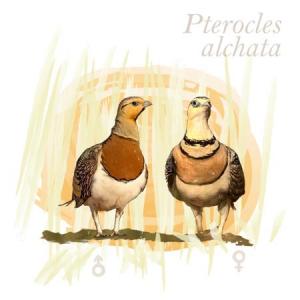
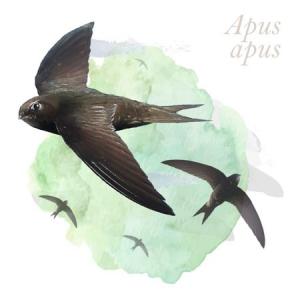
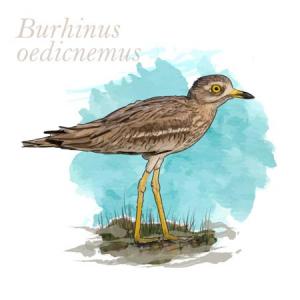
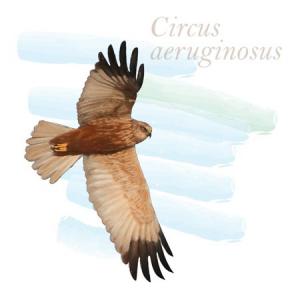
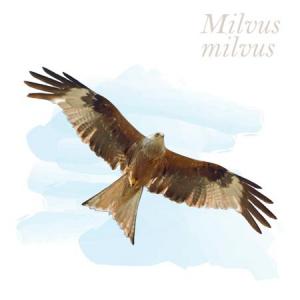
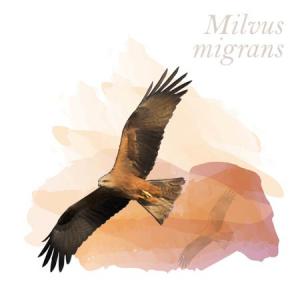
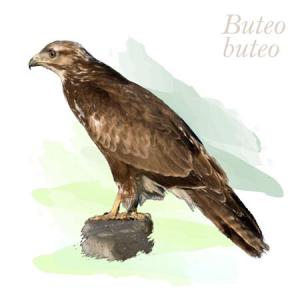
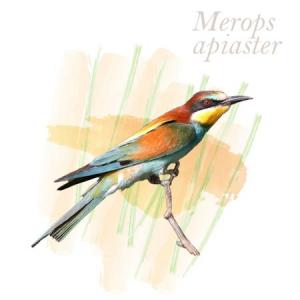
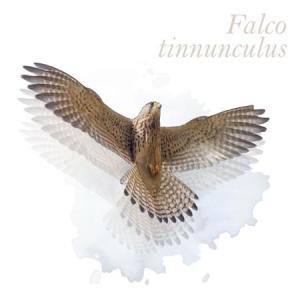
Although the largest group of birds that can be found in the area are larks, the populations that we find here of threatened species such as the rare pin-tailed sandgrouse, black-bellied sandgrouse or the stone curlew are of particular importance. Other common species are swallows, linnets, goldfinches, corn buntings, warblers or bee-eaters. Many birds of prey fly over this area, with sightings of kites, kestrels, booted eagles, common buzzards, marsh harriers, golden eagles, griffon vultures and even the occasional black vulture.
List of birds









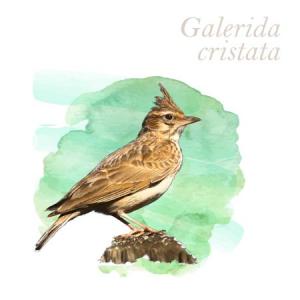
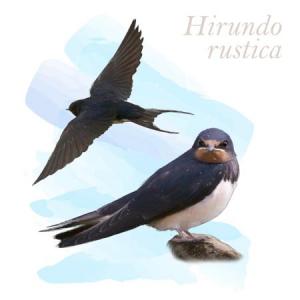
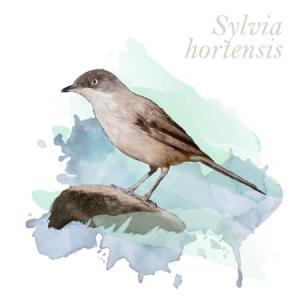
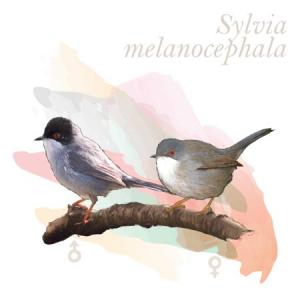
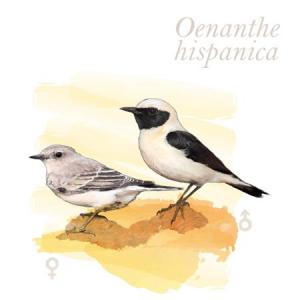
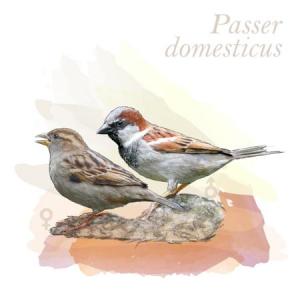
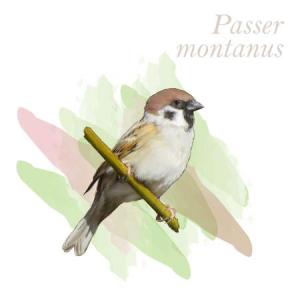
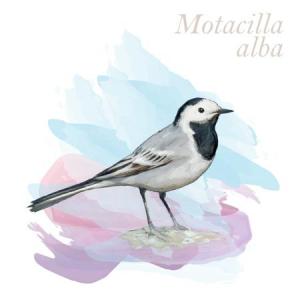
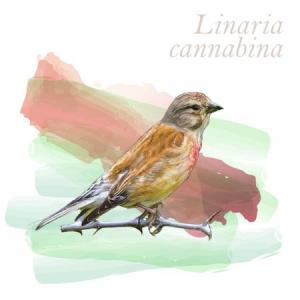
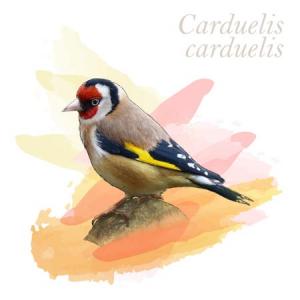
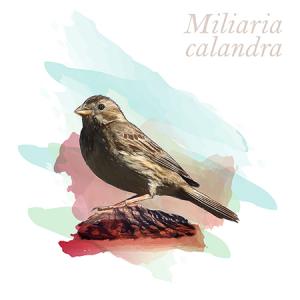
| SPECIES NAME | COUNT | DATE | |
|---|---|---|---|
| No observations have been recorded in the last 15 days. | |||