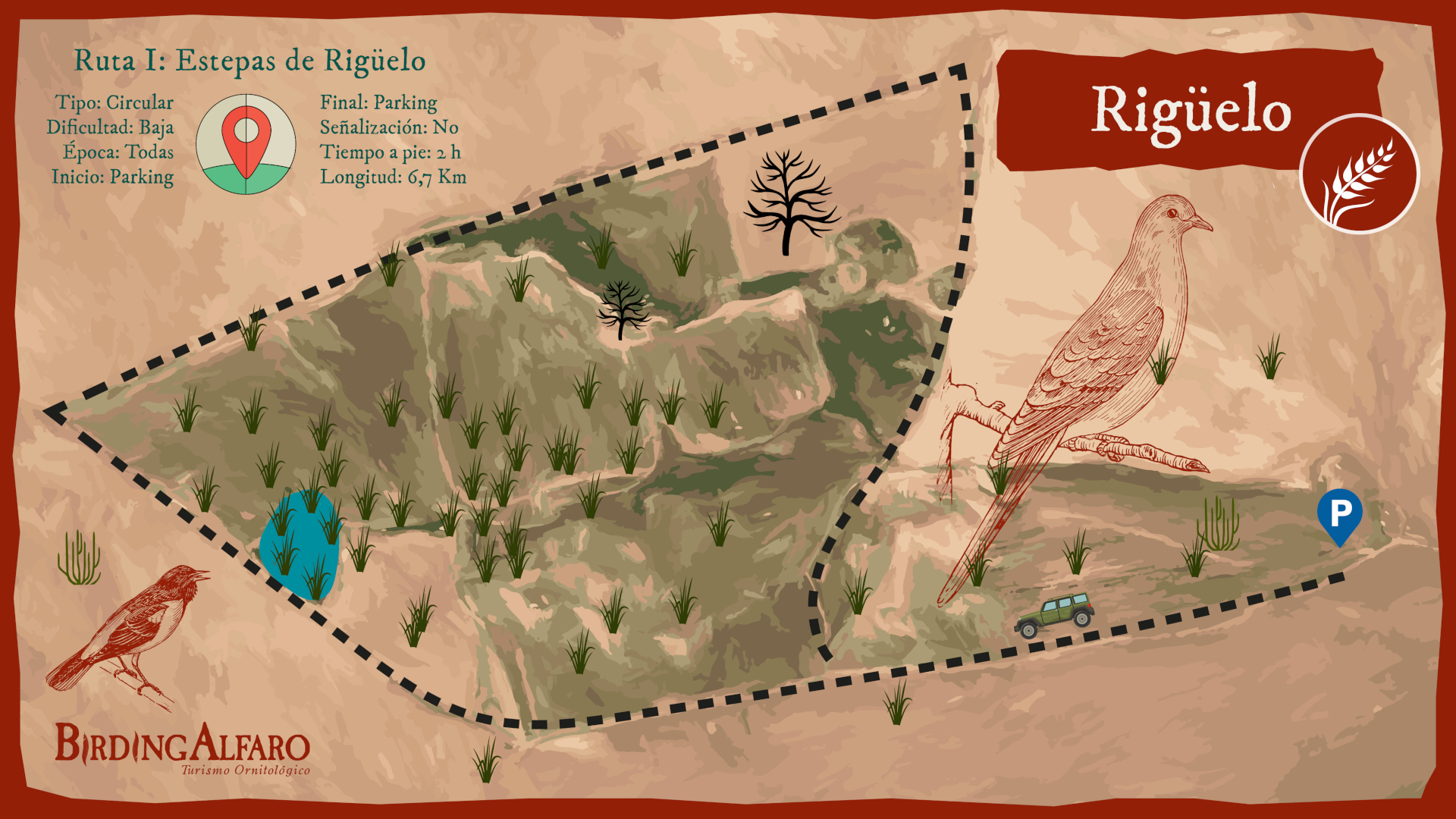
The tour that we propose in this route is a loop of about 7 km in which we will cross one of the last steppe areas of La Rioja. During the tour we will cross areas of vineyards and dry land crops interspersed with some wild land. The route starts and ends at the car park, which is located near the warehouse that we come across as soon as we go up to Rihuelo. The first part of the route runs along a long straight line in which, walking between different types of crops, we can begin to get an idea of the characteristics and exceptional nature of this type of habitat. We will arrive at a crossroads of several paths, we must go along the one that, leaving some vineyards on the left and on the right the nave of a winery will take us to the "Balsa de Portil de Lobos". Taking into account the long periods of drought in this area, especially in the summer, these irrigation ponds are very important for the fauna, being a meeting place for many species that collect the valuable liquid throughout the day. Once we have passed the irrigation pond, we will arrive at a crossroads where we must take the path to the right and which, gaining a little height at the beginning and then descending the hill, will take us through a mixture of different uses of the land that give this area a singular beauty. Once we are in the lower part, we will only have to go back up the path that is to our right at the intersection to return to the straight line that, in the opposite direction to the previous one, will take us back to the starting point.


Technical Data
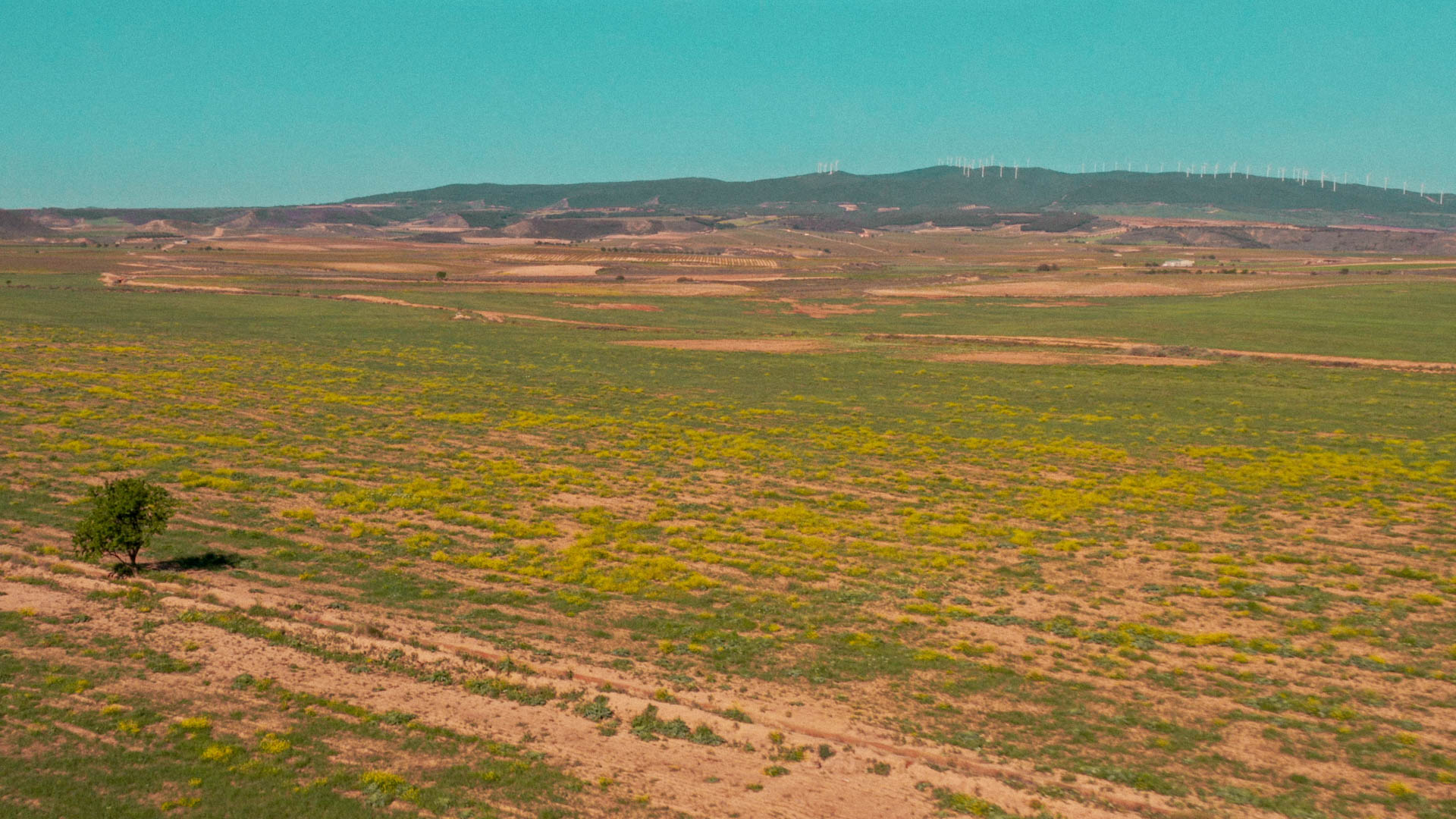
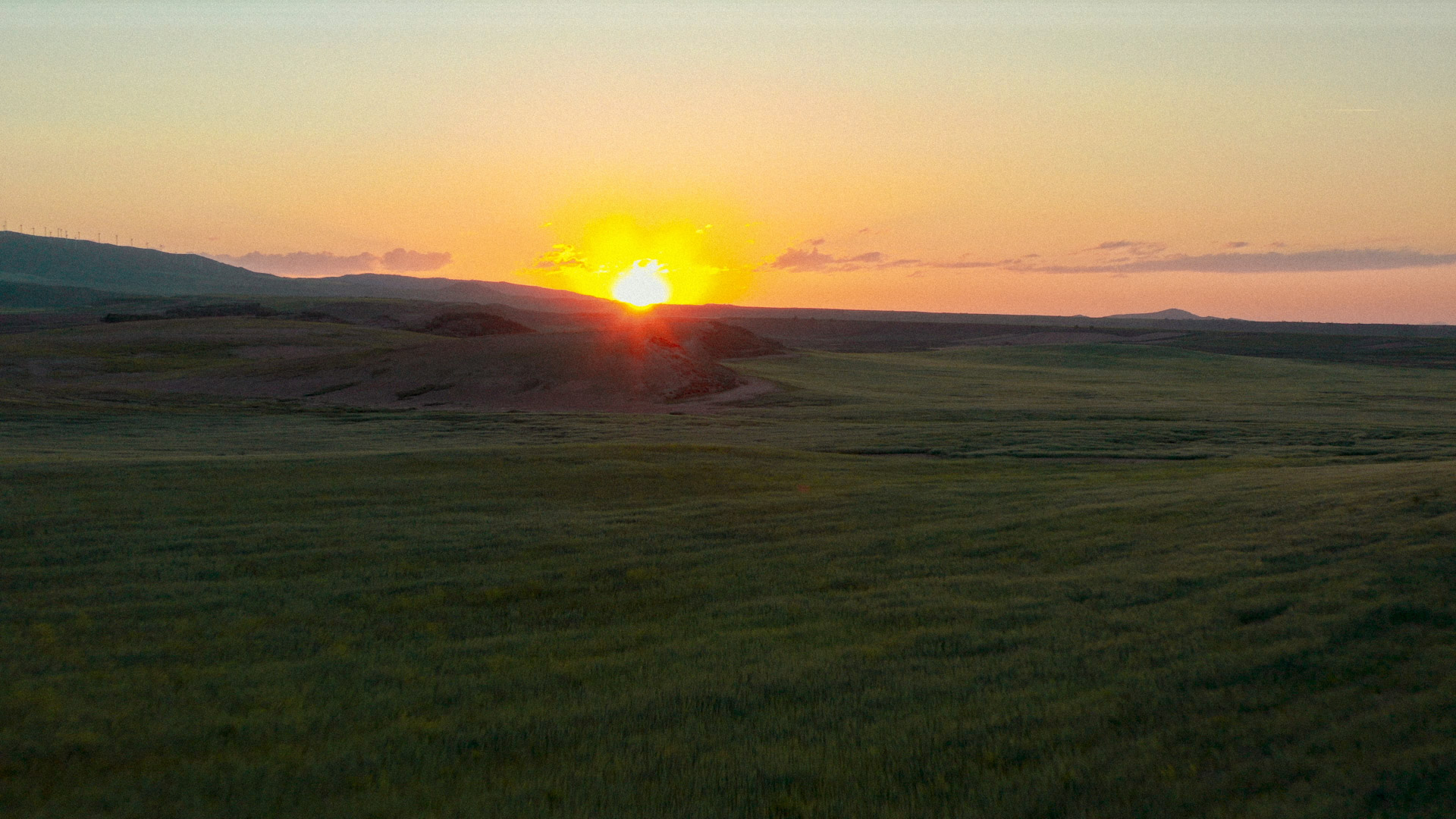
As we have already mentioned in other sections, steppe habitats and their surroundings are areas of large land, extensive crops almost always rainfed interspersed with fallow land and grasslands. Places where we hardly find a few trees and although at first glance they may seem uninhabited, they are home to a multitude of species that have been linked since ancient times to the traditional uses of human beings and are disappearing due to changes in agriculture. In Alfaro we can still visit some areas where this coexistence is still present.
- Distance
6,7 km
- Duration
2h
- Type
Mixed (Lineal+Circular)
- Difficulty
Low
- Time of the year
All
- Entrance
Parking
- Final
Parking
- Signaling
No
It is recommended to wear comfortable clothing appropriate to the weather and terrain conditions. Park your vehicle in the parking enabled for it. The itinerary takes place within a natural space. Please be especially respectful.
Description
There are times of the year that depending on the state of the roads, it is possible to make the journey by car
Estepas de Rihuelo
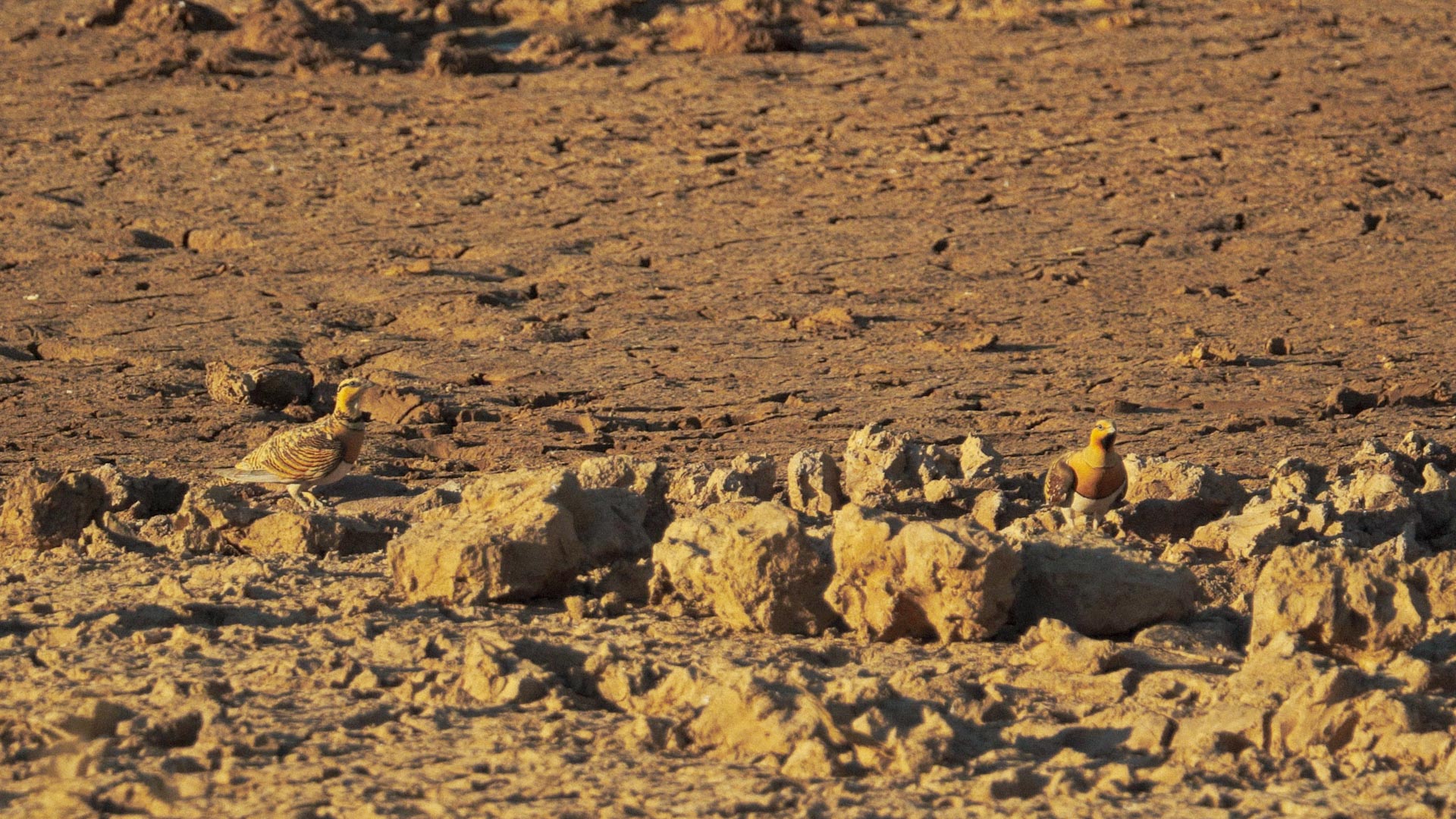
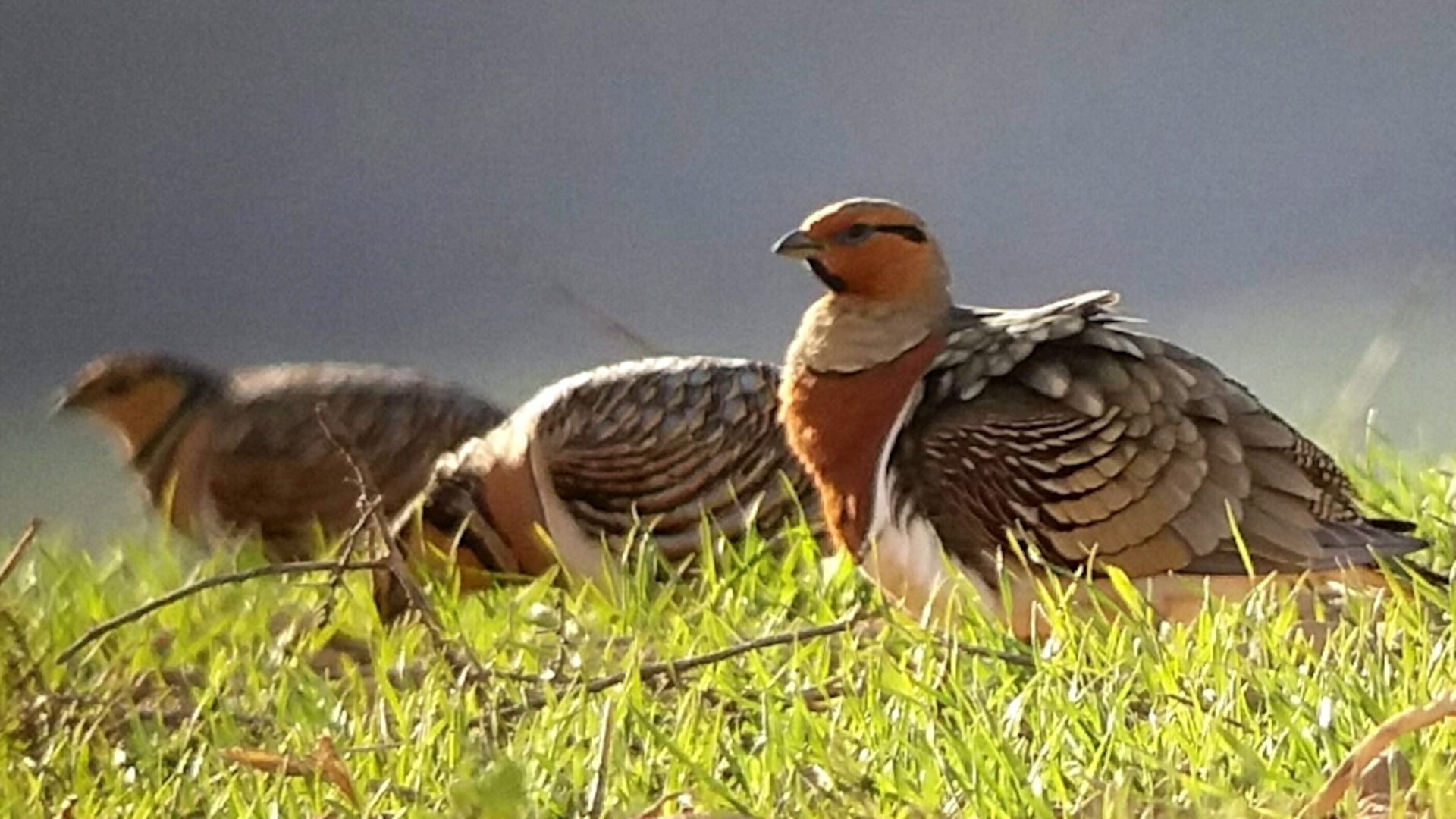
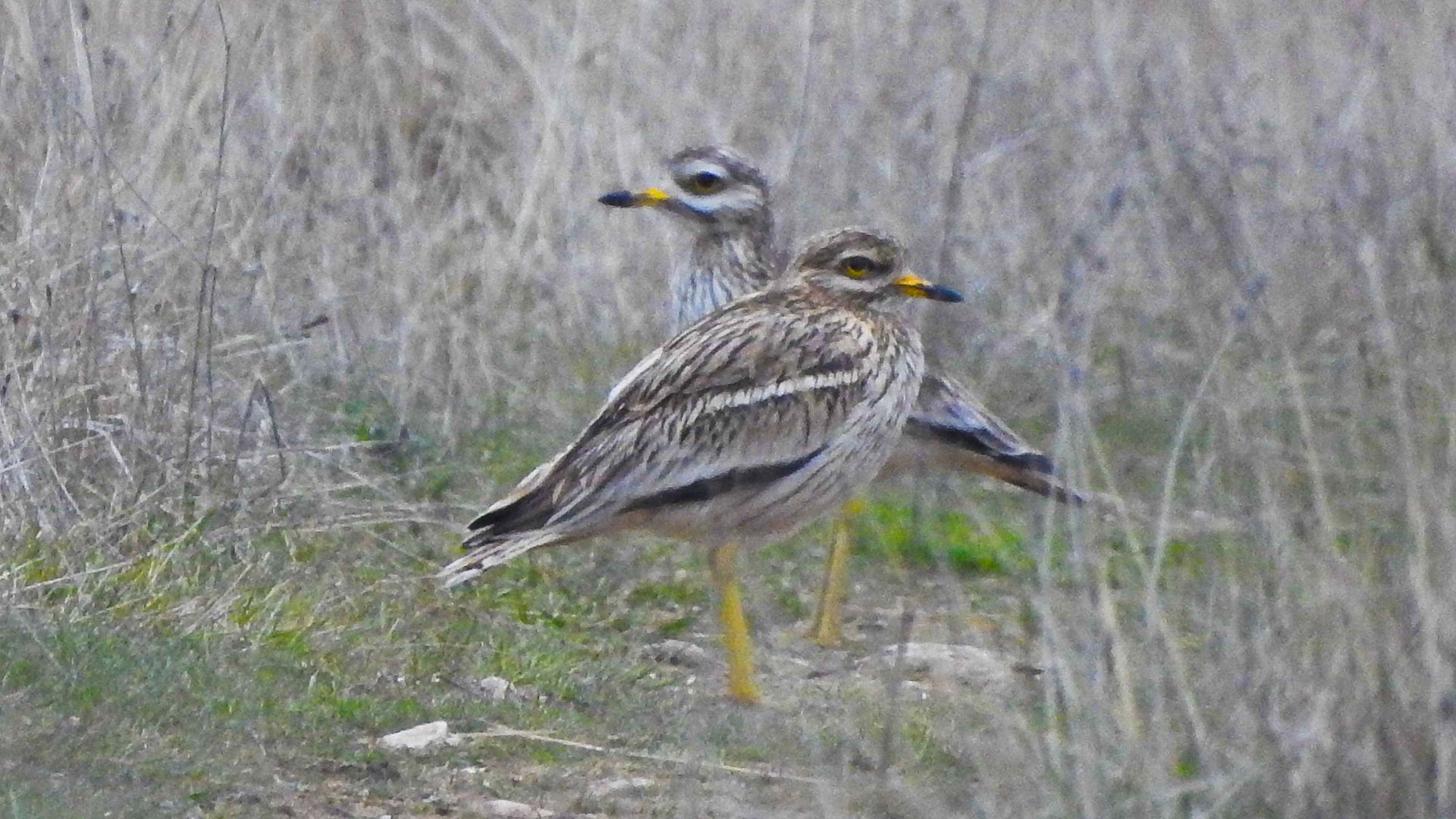
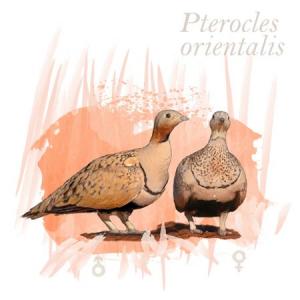
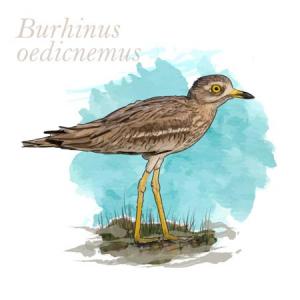
Rihuelo is the area that best represents the survival of the Rioja steppes, here we find hills with low scrub and saline soils interspersed with vineyards and crops. This place is the last redoubt in the region of various species of steppe birds such as stone curlews, shy sandgrouse or the endangered and scarce little bustard.

Birdwatching
| No observations have been recorded in the last 15 days. |
| Data obtained from the eBird platform | |||
|---|---|---|---|
| No observations have been recorded in the last 15 days. |
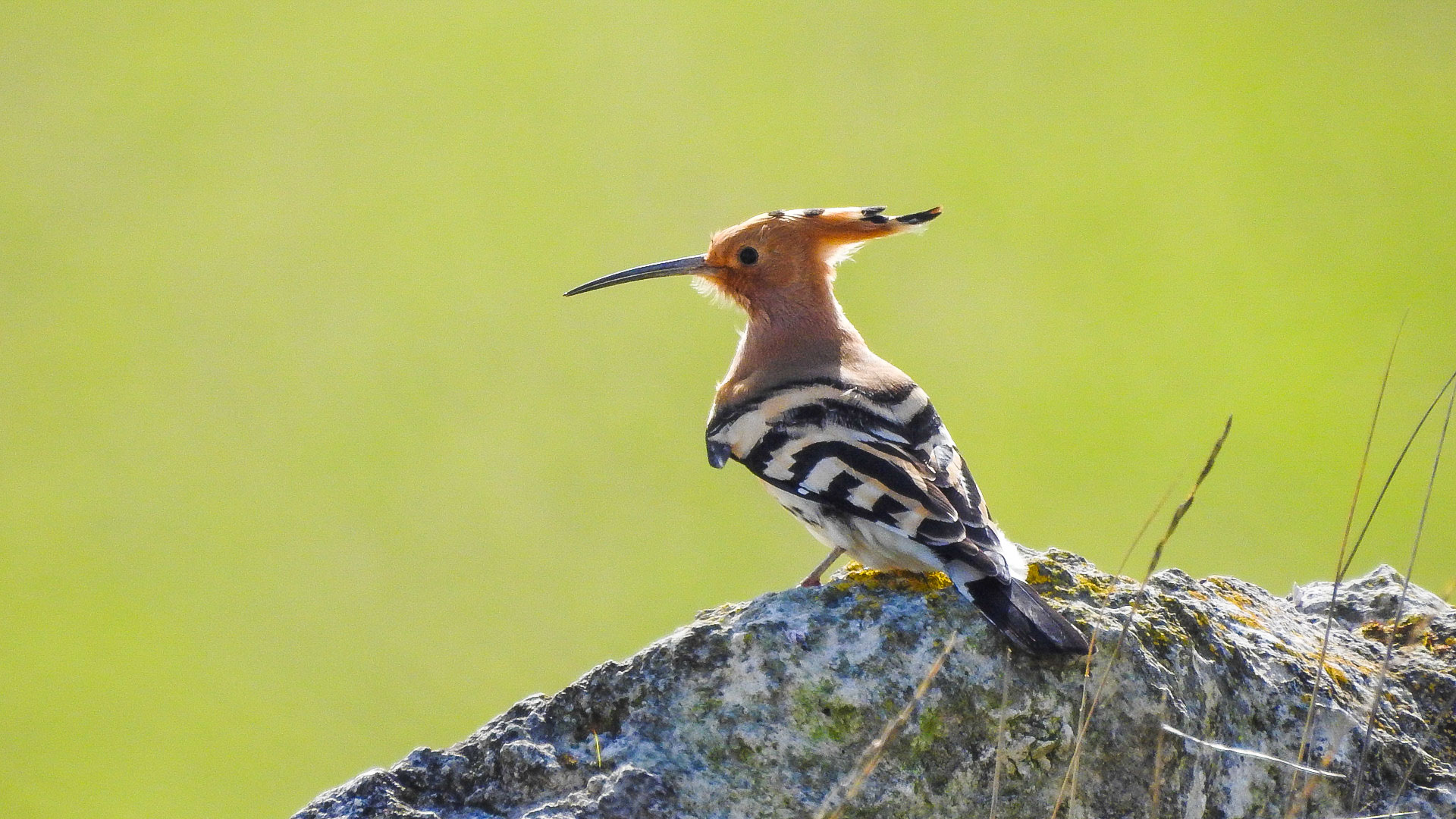
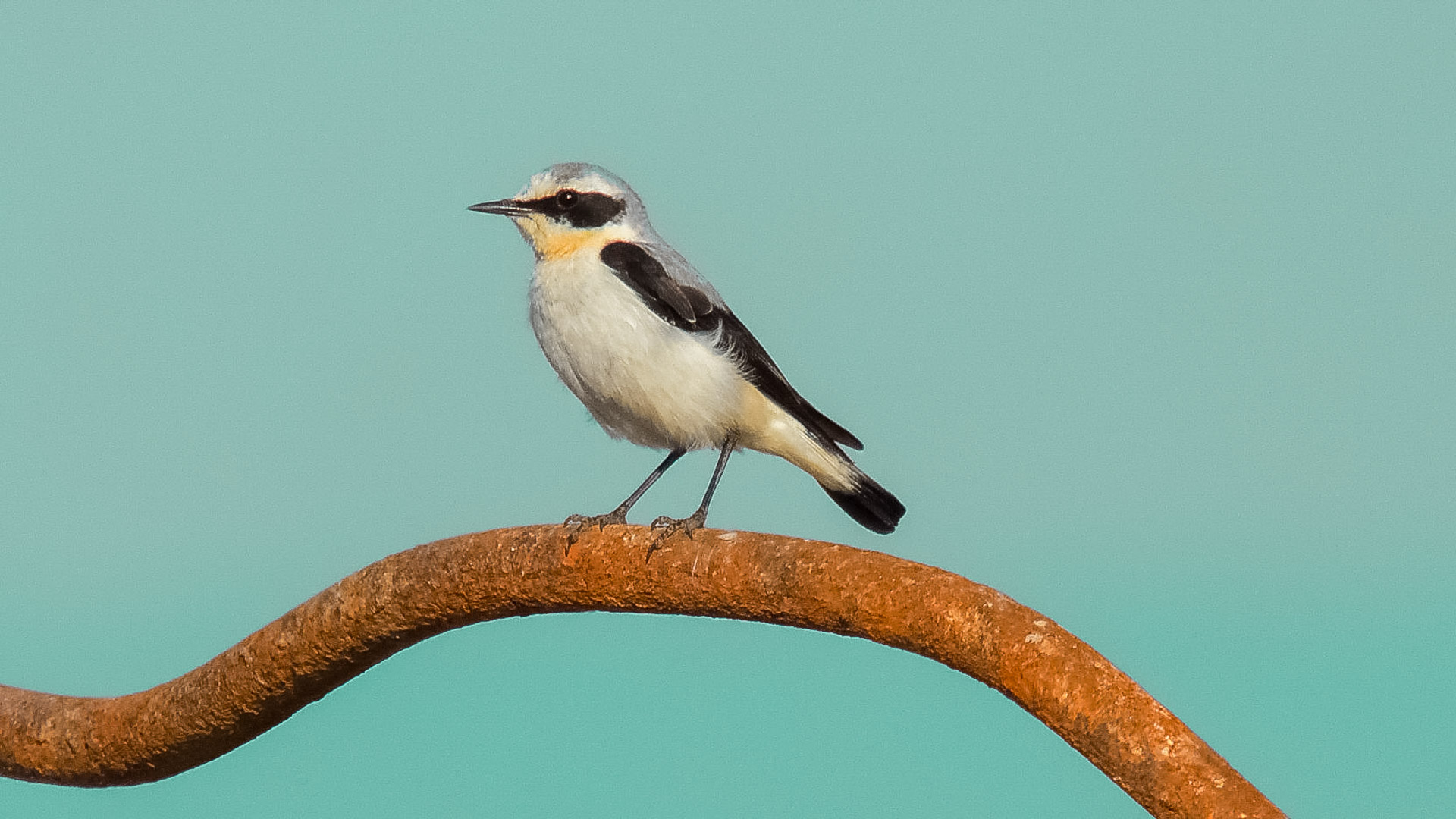
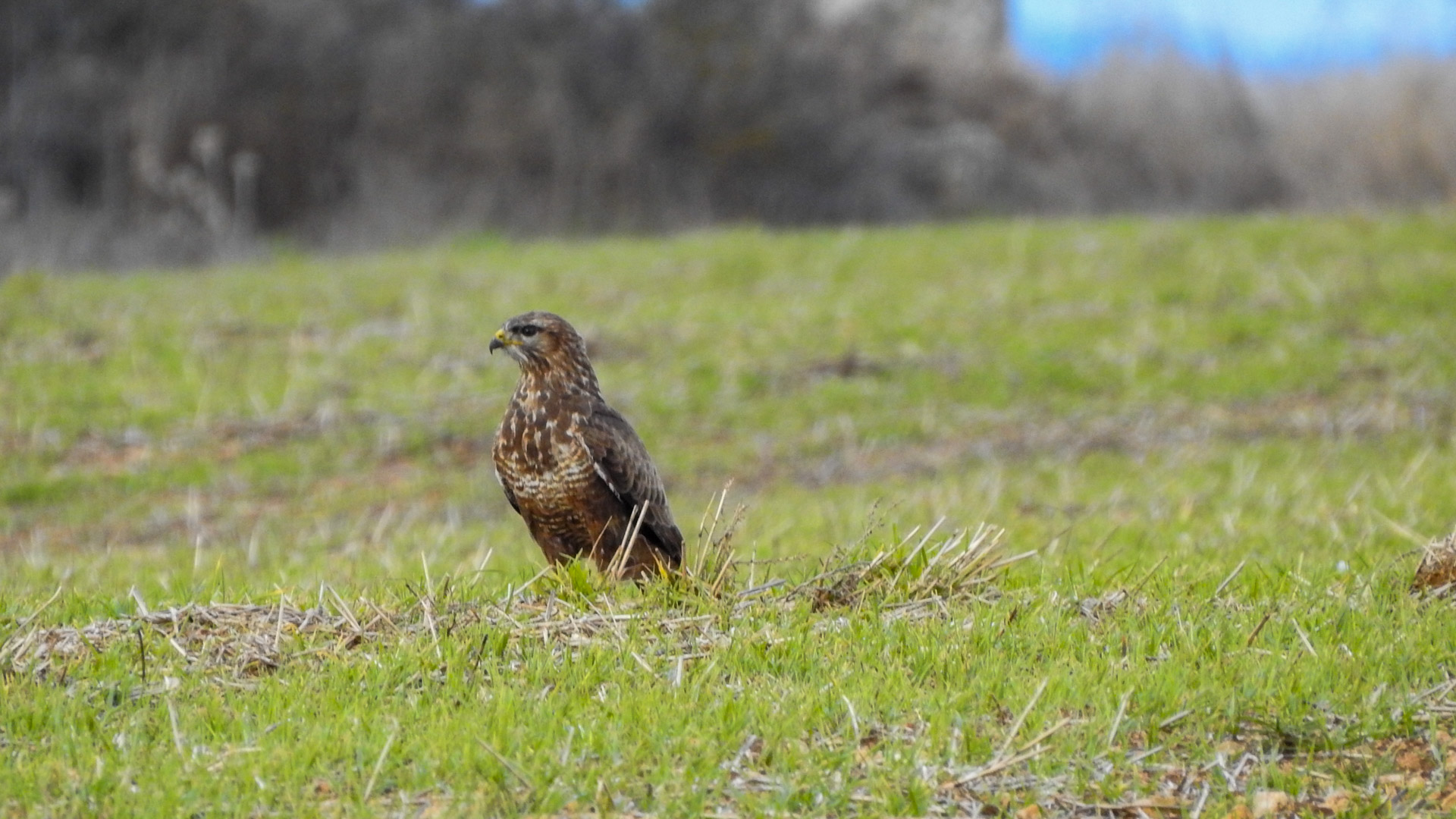
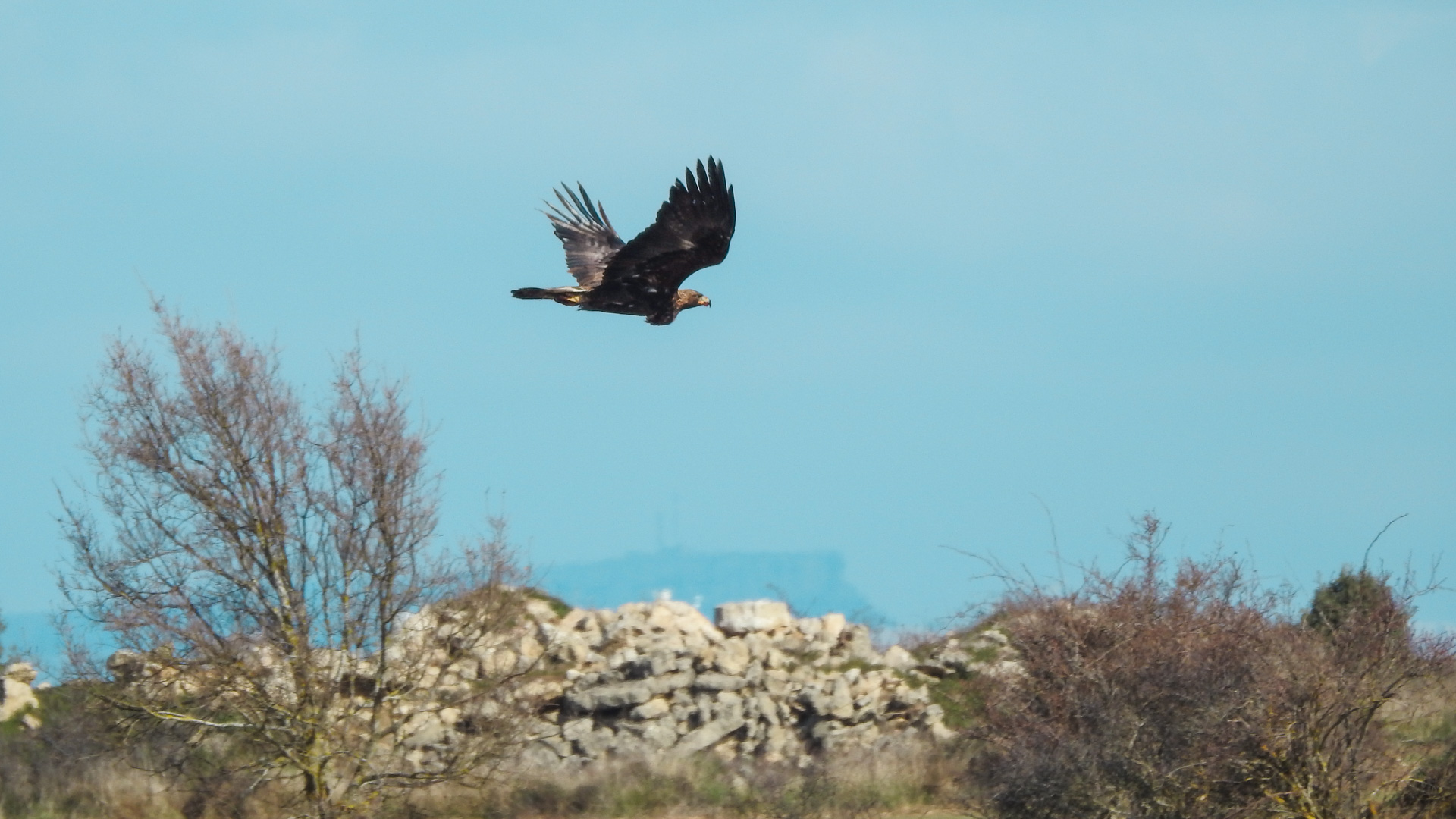
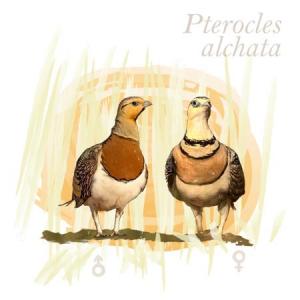
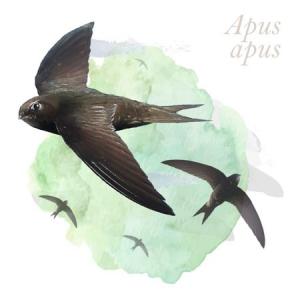
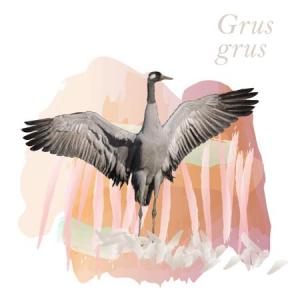
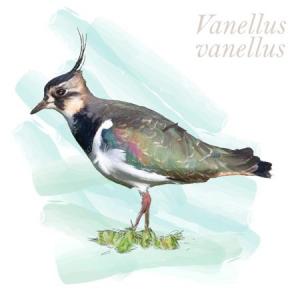
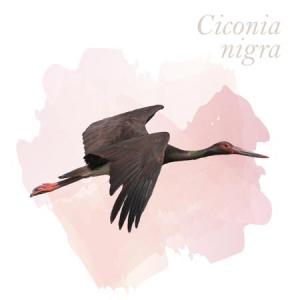
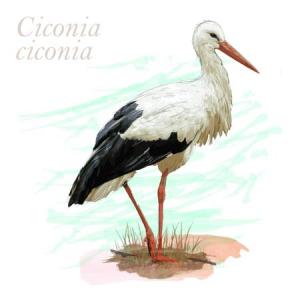
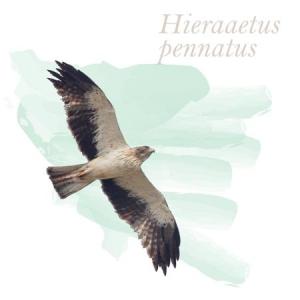
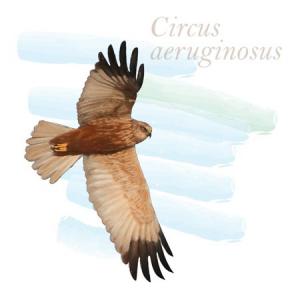
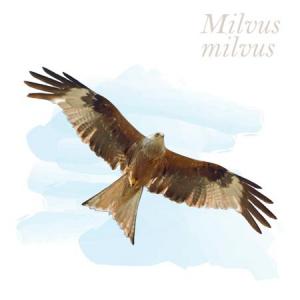
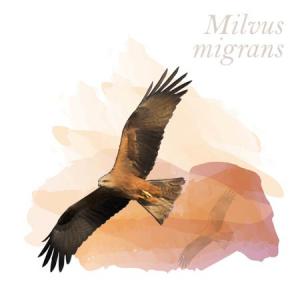
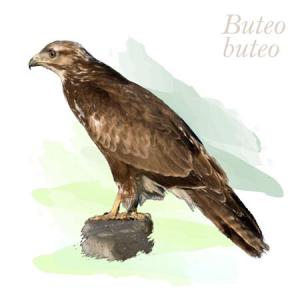
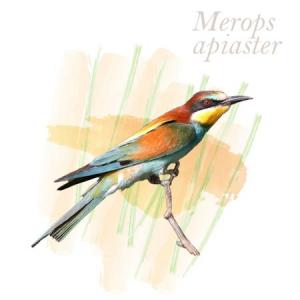
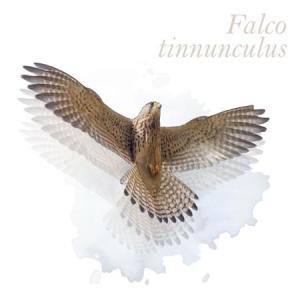
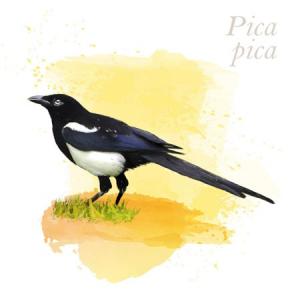
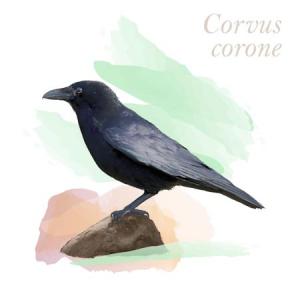
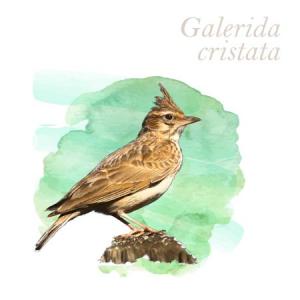
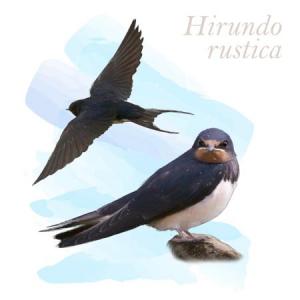
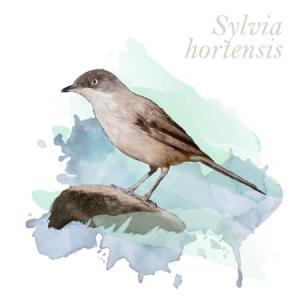
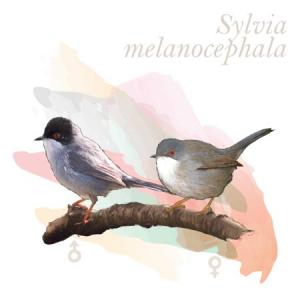
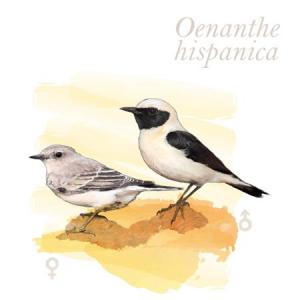
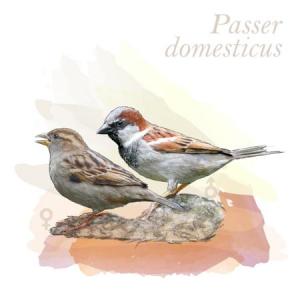
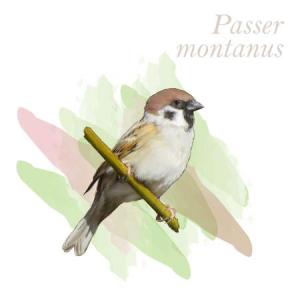
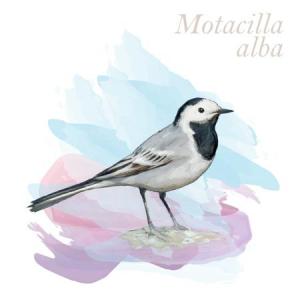
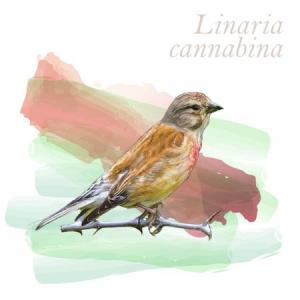
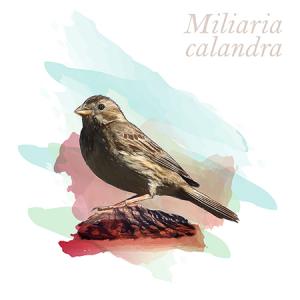
Along this route there are many species of birds that we can observe, larks, goldfinches, swallows, warblers, wagtails, crows, red-billed choughs, are present throughout the different fields that we go through. Birds of prey are common, with sightings of species such as buzzards, common kestrels, kites, marsh harriers, griffon vultures, even the majestic flight of the golden eagle controlling its territory. Characteristic species of the steppe environments such as the stone curlew, the pin-tailed sandgrouse or the black-bellied sandgrouse are also present in the area. With great luck, it is still possible to observe the little bustard resting in these fields, which is another incentive to get lost in these lands in search of its curious inhabitants.
List of birds








| SPECIES NAME | COUNT | DATE | |
|---|---|---|---|
| No observations have been recorded in the last 15 days. | |||